Bus Transportation System
General Introduction
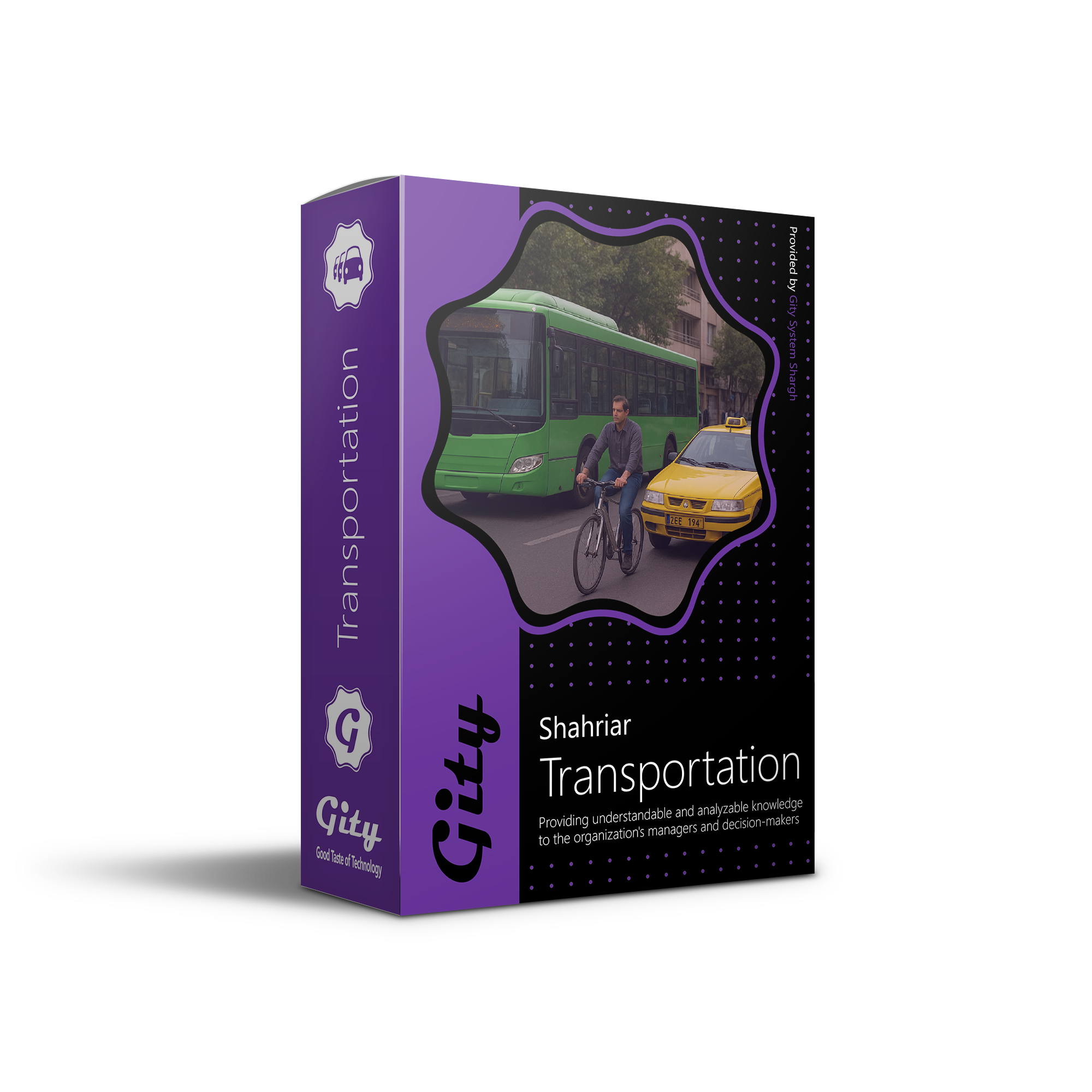
The Bus Transportation System is one of the key solutions in the public transportation domain within the "Shahriyar" software suite, specifically designed for comprehensive management of urban bus fleets. This system, focusing on optimizing bus movement, managing human resources such as drivers, managing stations, routes, and scheduling of public vehicles, helps municipalities manage the public transportation system in a precise, intelligent, and efficient manner.
User Problem or Need
Public transportation is considered the backbone of traffic and social structure in every modern city. In large cities, high traffic volume, improper route distribution, lack of coordination in bus schedules, inaccurate station registration, and absence of transparent information about driver and fleet status lead to citizen dissatisfaction and reduced productivity. On the other hand, supervising driver performance and analyzing route balance requires precise software tools.
Solution Provided by the Software
The Bus Transportation System, utilizing modern technologies, provides a comprehensive platform for managing all components of public bus transportation. This system enables registration and monitoring of bus fleets, management and authentication of drivers, definition and modification of stations based on urban maps (GIS), movement scheduling, and balancing routes across the city. Additionally, the "Drivers Club" section in this system is designed for communication with human resources, encouraging and controlling their performance.
Key Features
- Comprehensive management of urban bus fleets including specifications, records, and technical status
- Management of personnel information including drivers, work schedules, leaves, and performance evaluation
- Definition and digital registration of bus stations along with placement on maps
- Planning and scheduling of bus movement based on routes, stations, and peak hours
- Analysis and adjustment of bus route balance to increase geographic coverage and reduce congestion
- Management dashboards for monitoring fleet performance and route productivity
- Drivers club system for two-way communication, notifications, training, and scoring
- Connectivity capability with GPS, RFID, and traffic control systems for online fleet monitoring
Competitive Advantages / Strengths Compared to Competitors
- Complete integration with other urban systems such as city maps, ticketing systems, and 137 systems
- Professional and suitable user interface for managers, operators, and users
- Automatic analysis of traffic and fuel consumption data for cost optimization
- Reporting and traffic load forecasting capability at different times of the day
- Increased citizen satisfaction through improved movement accuracy and reduced waiting time
- Customizability based on city characteristics, areas, and management policies
Use Cases / Target Audience
- Municipal-affiliated bus transportation organizations and companies
- Municipal transportation and traffic departments
- Fleet managers and route planning experts
- Drivers and public transportation fleet personnel
- Transportation smartification field experts
The Software's Role in Revenue Generation for the Municipality
By optimizing routes, reducing operational costs, and increasing fleet productivity, municipalities can increase their revenue from the transportation sector. Additionally, by reducing delays, increasing scheduling accuracy, and better coverage of different city areas, citizen satisfaction increases and bus usage rates will rise, which directly impacts ticket sales revenue and reduces traffic load. Furthermore, the system's precise and analytical information can assist in economic decision-making and smart investments in the transportation domain.