What is 5S and why do organizations want it?


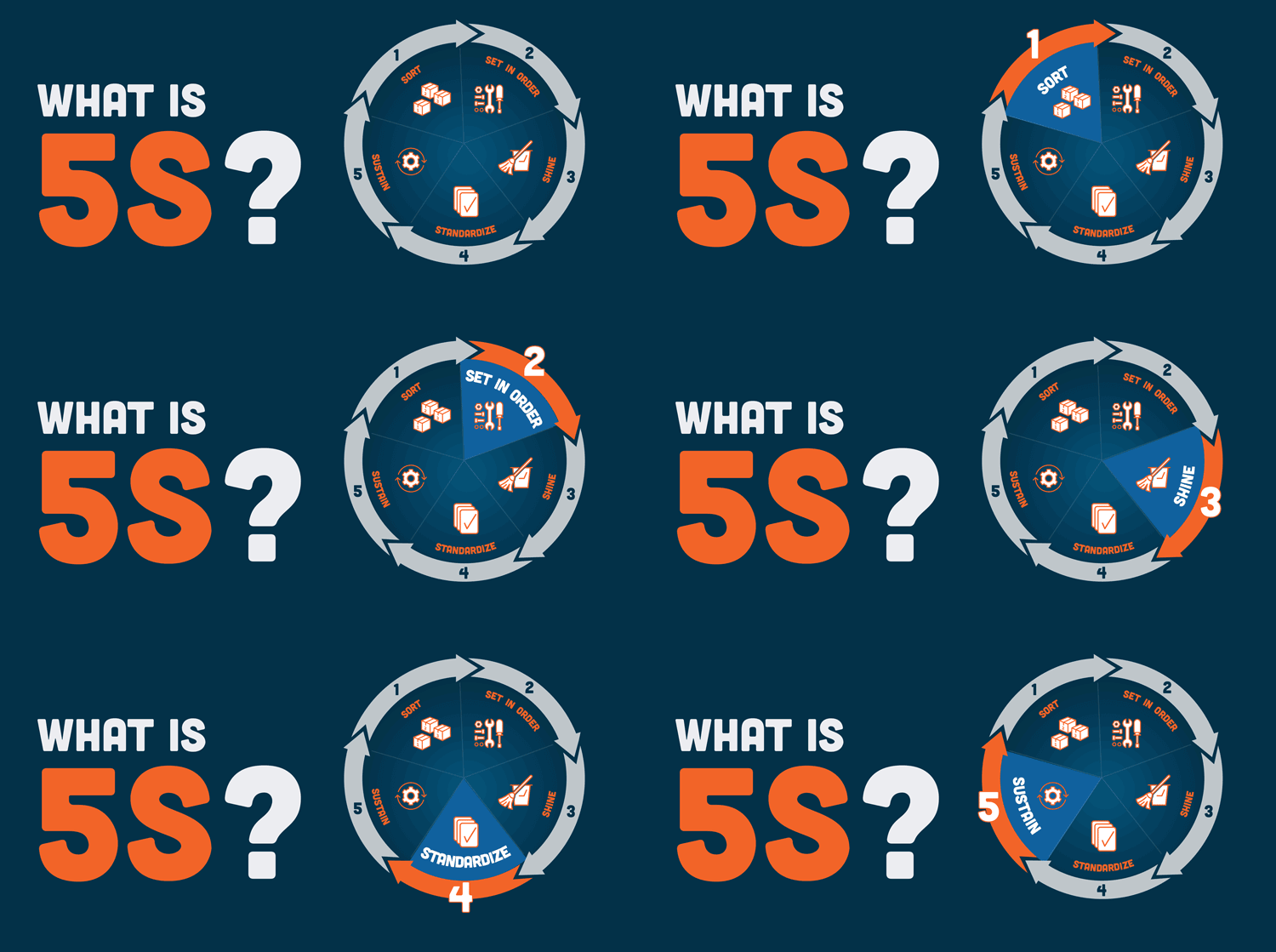
After World War II, Toyota was looking for a way to reduce waste in its facilities. The method implemented at the company, known as the Toyota Production System, included principles for creating a logical order in the workplace. These principles were later adopted in the West and became known as the 5S system.
Five S (5S) is a Japanese management method designed to solve exactly this problem. This method helps to keep the workplace tidy, safe and productive, and everything in its place. (5S) enters; a simple but powerful method for increasing productivity, reducing waste and improving the quality of the workplace.
The secret of organizational success in the five stages of 5S
1. Organizing (Seiri)
In this stage, all tools and equipment should be reviewed and unnecessary items removed. Excess equipment creates clutter and wastes time. For example, in an office, old files and supplies that are no longer used should be archived or discarded to make room for essential tools.
2. Tidying Up (Seiton)
After removing excess, all tools and documents should be put back in their place. This step helps employees quickly access the tools they need. Labeling and careful shelving are common ways to implement this step.
3. Cleaning (Seiso)
The work environment should always be clean and tidy. Keeping tools and workspace clean both increases employee safety and reduces equipment breakdowns. Regular cleaning is a daily task for employees.
4. Standardization (Seiketsu)
To maintain the results of the previous three stages, guidelines and checklists are created so that everyone knows what standards must be met. This stage makes order and cleanliness an organizational habit and maintains the quality of work.
5. Discipline (Shitsuke)
Ultimately, the implementation of 5S is only possible with continuous compliance and the creation of an organizational culture. Employees must constantly observe the principles of order and standards, and managers establish these behaviors in the organization through supervision and training.
Why is 5S important?
- Increase productivity: With order and order in the workplace, employees waste less time finding tools or information and spend more energy on doing the job correctly.
- Reduce errors and risks: A clean and tidy environment reduces mistakes and the possibility of accidents and injuries.
- Better work quality: Standardizing processes and organizing the environment increases the accuracy and quality of work output.
- Saving resources and time: Eliminating unnecessary equipment and organizing properly prevents waste of materials, energy, and time.
- Strengthen organizational culture: Continuous implementation Five Ss helps to develop positive habits and behaviors in employees and increases team cohesion.
- A more pleasant work environment: A tidy and clean environment creates a sense of satisfaction and motivation in employees and makes work more attractive.
A final word on 5S
Implementing the 5S tidying system does not just mean tidying up your desk or factory; it is a path to continuous improvement, increased productivity, and a safe and pleasant work environment. When everything is in its place and standards are met, work is done faster and more accurately, and a culture of cooperation and discipline is formed in the organization. The experience of leading companies such as Toyota shows that 5S can make a big difference in quality, employee satisfaction, and overall organizational performance, and every workplace, whether small or large, can benefit from it.









Comments (6)